Dust blowback is a phenomenon where accumulated dust and debris are forcefully ejected from a surface or area due to a sudden release of pressure or energy. This seemingly simple occurrence poses significant challenges and hazards across various industries, from construction and mining to agriculture and manufacturing. Understanding the nature of dust blowback is crucial for maintaining safe and healthy working environments.
Dust blowback is a problem because the sudden expulsion of particulate matter creates several risks. First, it drastically reduces visibility, making it difficult for workers to see and increasing the likelihood of accidents involving machinery or falls. Second, the propelled dust can irritate the eyes, skin, and respiratory system, leading to discomfort, allergic reactions, and even long-term health problems like silicosis or other pneumoconioses. The composition of the dust plays a large role in determining the severity of the health effects.
Key Risks of Dust BlowbackFurthermore, dust blowback can damage sensitive equipment and contaminate products. Hose runs and suction loss what homeowners should know for better air circulation and lower energy use.. When regular vacuuming no longer does the trick, Calgary duct cleaning services is the key to maintaining a healthy, breathable home environment.. In industries like food processing or pharmaceuticals, this contamination can have serious consequences, leading to product recalls and potential harm to consumers. The problem is exacerbated in confined spaces, where the concentration of dust particles can quickly reach dangerous levels. Therefore, understanding and mitigating dust blowback is not only a matter of regulatory compliance but also a fundamental aspect of responsible workplace management.
Environmental conditions play a pivotal role in the occurrence and severity of dust blowback. Wind speed is a primary driver; higher wind speeds generate greater shear stress on the ground surface, lifting and suspending dust particles more readily. The threshold wind speed required for dust entrainment varies depending on soil type, moisture content, and surface roughness.
Air pressure gradients also contribute. Low-pressure systems are often associated with strong winds and atmospheric instability, creating conditions favorable for dust storms and widespread blowback. Conversely, high-pressure systems can suppress vertical mixing, potentially trapping dust near the surface, although strong winds can still overcome this effect.
Humidity levels have a complex relationship with dust blowback. Low humidity allows soil to dry out, reducing cohesion between particles and making them more susceptible to wind erosion. However, high humidity can sometimes lead to the formation of surface crusts that temporarily stabilize the soil. The effect of humidity is therefore highly dependent on the specific soil composition and prevailing weather patterns.
Weather patterns, such as prolonged droughts or periods of intense rainfall followed by rapid drying, exacerbate the issue. Droughts deplete soil moisture, leaving it vulnerable to wind erosion, while intense rainfall can disrupt surface crusts and create loose sediment that is easily mobilized by subsequent winds. Understanding these environmental factors is crucial for predicting and mitigating dust blowback events.
The design of heavy machinery plays a significant role in dust blowback. Equipment with poorly sealed components or inadequate ventilation systems can exacerbate the problem. For instance, vehicles with open cabs or ineffective air filtration allow dust to accumulate and recirculate, leading to blowback when the vehicle moves or when internal fans operate. Furthermore, the placement of exhaust vents and air intakes can influence the direction and intensity of dust dispersal, potentially creating hazardous conditions for operators and nearby personnel. Proper design considerations, including sealed cabins and effective filtration, are crucial in minimizing dust blowback.
Regular and thorough maintenance is essential to prevent dust blowback. Neglecting maintenance can lead to malfunctions that worsen dust dispersal. For example, worn-out seals and filters become less effective at containing dust, while damaged ventilation systems can increase the velocity and spread of dust particles. Proper maintenance protocols should include routine inspections, timely replacements of worn parts, and thorough cleaning of machinery to remove accumulated dust. By adhering to these protocols, companies can significantly reduce the likelihood of dust blowback incidents.
Specific operational procedures can contribute to dust blowback. Aggressive driving or operating machinery at high speeds can stir up dust and increase the risk of blowback, especially in dry and dusty environments. Similarly, improper loading and unloading techniques can release large quantities of dust into the air. Operators should be trained to adopt safe operating practices, such as reducing speed, using dust suppression techniques, and carefully managing materials to minimize dust generation. Following established procedures is vital for mitigating dust blowback hazards.
The way materials are handled significantly impacts dust blowback. Transferring dry, fine materials without proper containment can generate substantial dust clouds. Open conveyors, tippers, and stockpiles are prime sources of airborne dust. Implementing enclosed material handling systems, using water sprays or other dust suppressants, and minimizing drop heights can greatly reduce dust emissions. Thoughtful material handling practices are key to preventing dust blowback and maintaining a cleaner work environment.
Key Dust Blowback Sources:Environmental conditions directly influence dust blowback severity. Dry and windy weather exacerbates dust dispersal, making even minor disturbances create significant blowback events. Soil composition and moisture content also play a role, with finer, drier soils being more prone to becoming airborne. Understanding these environmental factors allows for proactive measures like scheduling operations during less windy periods, applying soil stabilizers, and using water trucks to dampen surfaces, thereby minimizing the impact of environmental conditions on dust blowback.
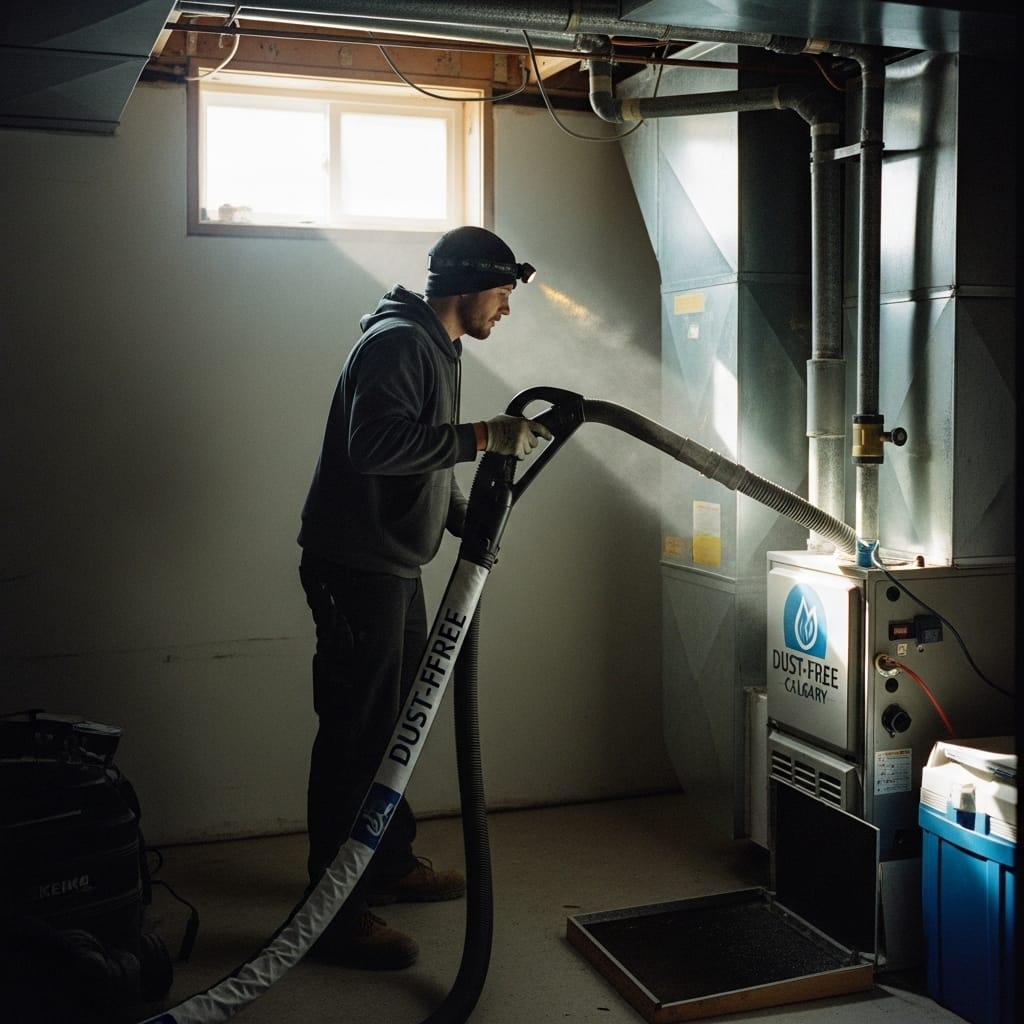
Dust blowback presents significant health hazards, primarily affecting the respiratory system. Inhaling the fine particulate matter can lead to immediate irritation of the airways, triggering coughing, wheezing, and shortness of breath. Prolonged exposure can exacerbate existing respiratory conditions like asthma and bronchitis, and significantly increase the risk of developing chronic obstructive pulmonary disease (COPD). The composition of the dust itself further influences the severity of the health risks. Silica dust, for example, is a known carcinogen and can cause silicosis, a debilitating and irreversible lung disease.
Beyond immediate respiratory distress, long-term exposure to dust blowback can have severe health consequences. Studies have linked prolonged inhalation of fine particulate matter to cardiovascular problems, including increased risk of heart attacks and strokes. The inflammatory response triggered by dust in the lungs can also contribute to systemic inflammation, potentially affecting other organs and increasing the risk of various chronic diseases.
Given these significant health risks, strict safety regulations and compliance are crucial. Organizations like OSHA (Occupational Safety and Health Administration) set permissible exposure limits (PELs) for various types of dust and mandate the use of engineering controls, such as ventilation systems and dust suppression techniques, to minimize worker exposure. Employers are also required to provide appropriate personal protective equipment (PPE), including respirators, and to implement comprehensive respiratory protection programs that include medical surveillance and training. Adherence to these regulations is not only a legal obligation but also a moral imperative to protect the health and well-being of workers.
To combat dust blowback, engineers have developed several solutions targeting dust generation and dispersal. Ventilation systems are a primary defense, using strategically placed fans and ductwork to create directional airflow, pulling dust away from operators and sensitive equipment. These systems range from localized exhaust ventilation at dust-generating points to whole-room air exchange systems.
Dust collectors, often employing filters or cyclones, capture airborne particles before they can spread. These systems are frequently integrated directly into equipment, such as grinders or saws, minimizing dust escape at the source. The effectiveness of dust collectors depends heavily on proper filter maintenance and selection of the appropriate filter type for the specific dust being generated.
Key Engineering Controls:
Equipment modifications also play a vital role. This can include redesigning tools to reduce dust creation, adding shrouds or enclosures to contain dust, or using materials that produce less dust during processing. For example, using wet cutting methods instead of dry cutting can significantly reduce airborne dust. The success of these modifications is measured by monitoring dust levels before and after implementation, ensuring they meet regulatory standards and protect worker health. Each method's effectiveness is assessed through air quality monitoring, visual inspections, and feedback from workers operating the equipment. Regular maintenance and proper training are critical for ensuring the long-term efficacy of these engineering controls.
Mitigating dust blowback requires a proactive approach, starting with a thorough review and modification of operational practices. Adjusting work schedules is a key strategy. Identifying periods of high wind or dry conditions allows for rescheduling dust-generating activities to less risky times of the day or week. This might involve shifting certain tasks to the early morning when humidity is higher or postponing them altogether until weather conditions improve.
Furthermore, limiting equipment usage during high-risk periods significantly reduces the potential for dust blowback. This doesn't necessarily mean halting operations entirely, but rather prioritizing essential tasks and minimizing the use of machinery known to generate significant dust. For example, alternative, less disruptive methods can be considered where possible.
Key Steps for Dust Blowback Prevention:Specialized training is crucial for all personnel. Employees need to understand the causes and dangers of dust blowback, recognize high-risk conditions, and be proficient in using dust suppression techniques and equipment. Training should also cover proper respiratory protection and emergency procedures. Proper planning is the cornerstone of effective dust blowback prevention. Before commencing any work, a comprehensive risk assessment should be conducted, taking into account weather forecasts, site conditions, and the potential for dust generation. This assessment should inform the development of a detailed dust control plan, outlining specific measures to be implemented throughout the operation. This plan should be regularly reviewed and updated as needed to ensure its effectiveness.
Minimizing the personal impact of dust blowback hinges on the consistent and correct use of appropriate Personal Protective Equipment (PPE). The selection, maintenance, and proper usage of respirators, protective clothing, and eye protection are critical for safeguarding employee health.
Respirators are paramount in preventing inhalation of hazardous dust particles. Employers must provide respirators certified by NIOSH (National Institute for Occupational Safety and Health) and ensure proper fit testing for each employee. Training should cover the respirator's capabilities, limitations, and maintenance procedures, including cleaning, filter replacement, and storage. The type of respirator should be selected based on the specific dust composition and concentration levels present in the work environment.
Key Aspects of Respirator Use:
Protective clothing, such as coveralls or disposable suits, minimizes skin exposure to dust. The material should be chosen based on the dust's properties; for example, tightly woven fabrics are preferable for fine particles. Regular cleaning or disposal of contaminated clothing is essential to prevent prolonged exposure.
Eye protection, including safety glasses or goggles, shields against dust particles that can cause irritation or injury. The chosen eye protection should provide a secure fit and, if necessary, be compatible with prescription eyewear. Regular cleaning is vital to maintain clear vision.
A comprehensive PPE program includes regular inspections of all equipment to identify damage or wear. Employees should be trained to recognize compromised PPE and report it immediately. Consistent enforcement of PPE usage policies and readily available replacement equipment are essential components of a successful dust blowback prevention strategy.
Effective dust control hinges on consistent monitoring and rigorous assessment. Air quality monitoring stations strategically placed throughout the worksite provide real-time data on particulate matter concentrations. These stations often employ sensors that measure the size and quantity of airborne dust particles, offering a comprehensive picture of dust levels. Visual inspections also play a crucial role, with trained personnel regularly assessing dust accumulation on surfaces and visibility levels in work areas.
Assessing the effectiveness of dust control measures requires a systematic approach. Data collected from air quality monitoring stations is analyzed to identify trends and potential problem areas. Control measures, such as water spraying or ventilation systems, are evaluated based on their ability to reduce dust levels below established thresholds. Regular audits of dust control equipment ensure proper functionality and identify maintenance needs.
Data collection strategies must be clearly defined and consistently applied. Standardized sampling methods and calibration procedures ensure the accuracy and reliability of monitoring data. Reporting requirements should outline the frequency and format of data submission, as well as the responsible parties for data analysis and dissemination. Clear reporting channels enable timely communication of potential dust hazards and facilitate prompt corrective action. This data-driven approach allows for continuous improvement of dust control strategies and ensures a safer working environment.
Interior air high quality (IAQ) is the air top quality within structures and structures. Poor indoor air high quality because of indoor air contamination is recognized to influence the health, convenience, and health of structure passengers. It has actually also been linked to ill building syndrome, respiratory problems, decreased performance, and impaired discovering in colleges. Usual toxins of interior air consist of secondhand tobacco smoke, air pollutants from interior burning, radon, molds and various other allergens, carbon monoxide gas, volatile organic substances, legionella and various other bacteria, asbestos fibers, carbon dioxide, ozone and particulates. Resource control, filtration, and using air flow to thin down pollutants are the main approaches for improving interior air quality. Although ventilation is an essential element of maintaining excellent indoor air top quality, it might not be satisfactory alone. In scenarios where exterior air pollution would degrade interior air quality, various other treatment tools such as filtering might likewise be necessary. IAQ is reviewed with collection of air samples, keeping track of human exposure to toxins, evaluation of structure surface areas, and computer system modeling of air circulation inside buildings. IAQ becomes part of indoor ecological high quality (IEQ), in addition to other variables that exert an impact on physical and mental facets of life indoors (e. g., illumination, visual quality, acoustics, and thermal comfort). Interior air contamination is a significant carcinogen in establishing countries and is generally described as "household air contamination" because context. It is mainly associating with food preparation and home heating approaches by melting biomass gas, in the form of wood, charcoal, dung, and plant deposit, in indoor settings that lack appropriate air flow. Numerous individuals, primarily ladies and kids, face serious health risks. In total amount, regarding 3 billion individuals in establishing countries are influenced by this trouble. The World Wellness Organization (THAT) approximates that cooking-related interior air contamination triggers 3. 8 million yearly deaths. The International Problem of Disease research study approximated the number of fatalities in 2017 at 1. 6 million.
.A mold (United States, PH) or mould (UK, CW) is just one of the frameworks that certain fungi can create. The dust-like, colored look of molds is because of the formation of spores consisting of fungal second metabolites. The spores are the dispersal devices of the fungis. Not all fungis develop mold and mildews. Some fungi create mushrooms or ascomata; others expand as single cells, and are called microfungi (for instance, yeasts). A big and taxonomically diverse variety of fungal species form molds. The growth of hyphae causes staining and an unclear look, especially on food. The network of these tubular branching hyphae, called a mycelium, is thought about a single microorganism. The hyphae are typically transparent, so the mycelium resembles extremely fine, fluffy white strings over the surface area. Cross-walls (septa) may delimit connected compartments along the hyphae, each having one or several, genetically identical nuclei. The dirty structure of many mold and mildews is brought on by extreme production of asexual spores (conidia) formed by differentiation at the ends of hyphae. The mode of formation and form of these spores is typically utilized to categorize mold and mildews. A lot of these spores are tinted, making the fungi much more noticeable to the human eye at this stage in its life-cycle. Mold and mildews are microorganisms that do not form a particular taxonomic or phylogenetic collection, however can be located in the divisions Zygomycota and Ascomycota. In the past, most molds were classified within the Deuteromycota. Mold and mildew was the typical name for water mold and mildews or scum molds, which were previously classified as fungi. Molds trigger biodegradation of all-natural materials, which can be undesirable when it becomes food wasting or damages to home. They likewise play crucial roles in biotechnology and food science in the production of numerous pigments, foods, beverages, prescription antibiotics, drugs and enzymes. Some illness of animals and people can be brought on by specific molds: illness might result from sensitive level of sensitivity to mold spores, from growth of pathogenic mold and mildews within the body, or from the results of consumed or breathed in hazardous substances (mycotoxins) generated by molds.
.